Healthcare Regulatory Compliance Challenges for Medical Technology
How Jendo navigates Sri Lanka’s regulatory pathway, international patents, clinical validation, and a sustainable business model for AI-enabled screening.
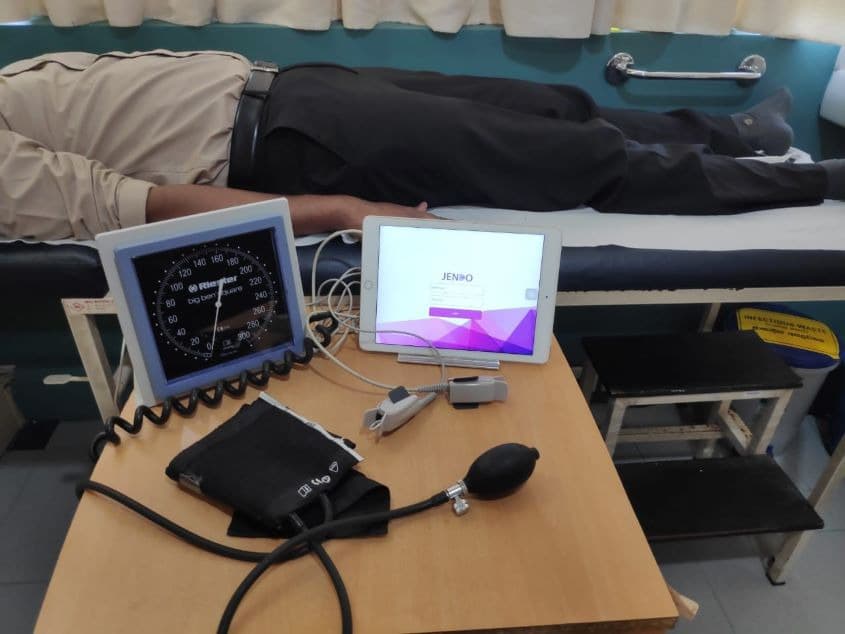
One of the challenges Jendo Innovations faces is finding the right regulatory pathway for AI-enabled medical devices in Sri Lanka, while preparing for global markets that demand clinical evidence, patents, and a clear commercial model.
Building beyond borders
Jendo Innovations is also in discussion to establish business centres outside Sri Lanka, including Switzerland and Singapore, markets with favourable environments for deep-tech MedTech ventures.
Clinical validation
Jendo’s system is not fully commercialised yet, but the device is already being used by hospitals and laboratory chains, and has been clinically tested on over 800 patients.
Affordable screening model
Under the current business model, the device is positioned at US$2,250 with an annual subscription fee of US$10,000. Each test is charged at US$8, designed to keep screening accessible in comparison with traditional pathways.
Patents that unlock investment
The company proceeded to protect the invention first in Sri Lanka (pending), then in the United States (granted: USPTO Patent 10,912,464 B2), and in Japan (pending), through the WIPO Patent Cooperation Treaty route.
Investors want confidence that a product is ahead of the competition. A patent is key to proving the value of an invention, and winning the trust needed to scale preventive healthcare from Sri Lanka to the world.